Amazing Ginger


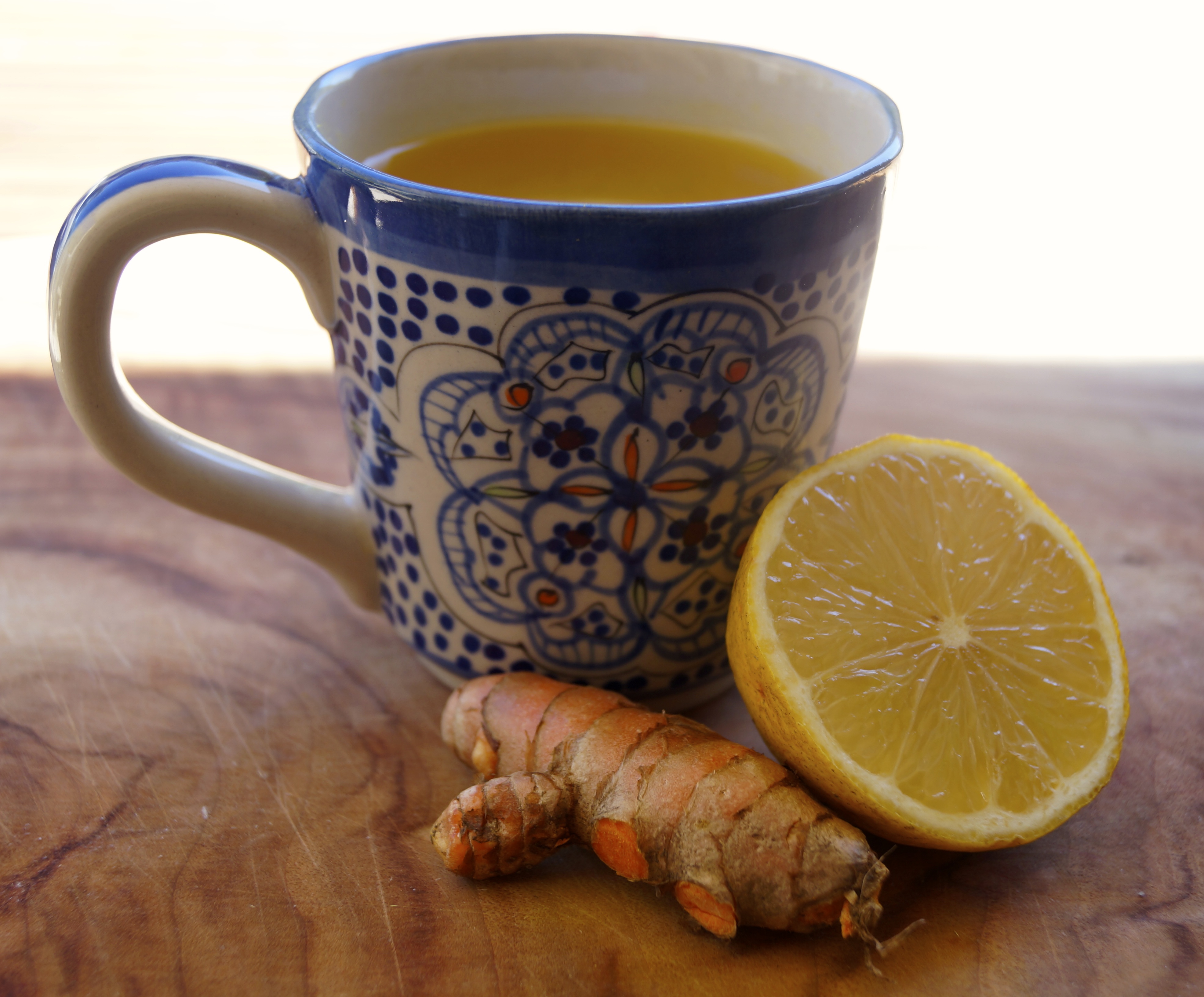
DSC04059For centuries ginger has been used in everyday Eastern cooking as a flavor, but as more research is emerging it is also being viewed as a very potent medicine.


Multiple studies have now shown ginger can be used like a natural antibiotic- killing off bacteria and infections. One particular study showed that in comparison with conventional antibiotics, ginger killed the infection ‘golden staph’ more effectively.

Whilst fungal infections are some of the hardest to treat, ginger seems to be able to help combat them too.

Diabetes is on the rise, and ginger has been found to not only treat the signs and symptoms, including lessening the peaks and falls in blood sugars, but could potentially prevent diabetes from even forming to those who are susceptible.


Ginger has the ability to increase blood flow and circulation, so eating ginger can make a person feel naturally warmer in the cooler months, as well as decrease one very unpleasant side effect of diabetes- lowered circulation to the extremities- sometimes leading to amputation of limbs, if the situation isn’t improved.

Using ginger to treat nausea due either to pregnancy, chemotherapy, travel sickness or other causes, has long been found to be highly effective. Some studies found that in treating the nausea due to chemotherapy – ginger proved more beneficial than the recommended medications.

Ginger and the gut have a great relationship too, where the herb can additionally ease stomach pain and inflammation, and some research has suggested the use of ginger could prevent gastric ulcers from forming.


The health benefits of ginger continues from cancer treatments, to improving arthritis, gout, menstrual pain and even heartworm in dogs.


So add 1 tsp. of fresh chopped ginger to soups or stir fry’s you are cooking, or make a ginger tea by pouring boiling water over a small nob and add honey and enjoy.


Find Honor on Facebook, Instagram, Twitter and her blog www.nutritionsciencewellness.com


Harvard warns of CO2 rise, threatening human nutrition

Earlier this year, Harvard School of Public Health (HSPH), released results of a new study, which found that by the year 2050, the elevated levels of Carbon Dioxide (CO2) in the atmosphere will be significantly effecting crop growth all around the world.


These same crops are great sources of dietary protein, zinc and iron, and with an estimated two billion people suffering from protein, zinc or iron deficiencies, and around 63 million deaths per year due to malnutrition; it’s cause for concern. “The reduction in these nutrients represents the most significant health threat ever shown to be associated with climate change”, say the Harvard researchers.


The study was done in free air environments, not green houses, and involved 41 different varying genes from wheat, rice, soy, field pea’s and sorghum.

The results found a large decrease in concentrations of protein, zinc and iron in these grains exposed to CO2.


Globally, 2-3 billion people derive 70% of their zinc and iron from these exact crops. This great reduction in nutrients could be catastrophic in the developing world.


Lead author of the study, and research scientists for the Department of Environmental Health, Samuel Myers, says of our global pollution, “Humanity is conducting a global experiment by rapidly altering the environmental conditions on the only habitable planet we know. As this experiment unfolds, there will undoubtedly be many surprises. Finding out that rising CO2 threatens human nutrition is one such surprise,” he says.


Find Honor on Facebook and Twitter

The sci-fi Second Brain

So it turns out we have a ‘second brain’. Yes, that’s right, a second brain. And no ladies, it’s not where you think most men’s would be.


We do all have what is being termed as a ‘second brain’, and for all of us it is in the same exact spot. It is also referred to as our enteric nervous system or ENS.

It is a completely different nervous system to the Central Nervous system that is attached to the brain in our skulls, and is made up of roughly 500 million neurons or nerve cells, which is roughly 400 million more than that of a rats normal brain.

It stretches an estimated 9 metres long from our mouths to our anus. It thinks and feels and is responsible for releasing hormones and neurotransmitters just like the brain in our skull does. It can even sense danger, record experiences; respond to emotions, and environmental threats before our ‘head brain’ can.

And in a slightly sci-fi way, it can learn too. (Young)


It is where? In our gut, woven throughout the many layers of the wall of the entire digestive tract: Starting at our esophagus, travelling along with our stomach, small intestine and finishing off where the colon exits our butt. It is considered to be a single entity of its own. And has long been known to have control over digestion. But what has been a huge surprise is the significant effects this ‘gut brain axis’/’second brain’ or ‘Enteric nervous system’ has over ones thought, behavior and emotional health. And the roles that even our gut bacteria and food choices have on influencing these too. (Young)


Even though the discovery of our highly intelligent, thinking, feeling gut brain is relatively new science, it makes all those old references to this exact process rather curious, such as- ‘trust your gut feeling’, ‘listen to your gut instincts’, go with your gut’, ‘I had a bad feeling in the pit of my stomach about the whole thing’.


The story of our second brain begins many years ago in a primitive world. It was, in seems, the original nervous system and thinking centre for most vertebrates more than 500 million years ago. And as vertebrates evolved, becoming more complex, a new brain was born- our ‘head brain’. So really our second brain should be called our first, and vice versus, but what can you do? (Young NS)

The two brains are connected by one cable: the vagus nerve.

The gut brain is so very sophisticated that even severing this one connection between the two brains leads to no change in the functioning of most of its physiological tasks.


So let’s have a look at what makes up our second brain:


The enteric nervous system (ENS) is a part of the nervous system and is somewhat automated, meaning we don’t need to think about it in order for it to work- like you do to move your arm up and down etc. Being a nervous system, it is made up of a network of nerves or neurons as they are also called. And as we mentioned earlier, there are hundreds of millions of neurons within this gut brain. A neuron is basically a type of cell that processes, carries and transmits information via electrical signals or chemical messengers to other parts of the body. The information these particular enteric neurons commonly carry is that which affects the movement of organs and secretion of glands. (Costa)


Or; and this is where some of the elusive mystery has laid, the ENS can work in conjunction with the brain where information is sent to the brain from the gut relating to well-being and the safety of the environment which may not ever come into conscious thought, but you will still respond to it adequately without knowing you just did. (Young)


The gut brain is the main area responsible for our happiness and sadness. Our gut is also the major producer and releaser of the neurotransmitters serotonin- commonly known as the ‘happy hormone’, and it additionally contains dopamine, glutamate, norepinephrine, and even nitric oxide. (King)


What else is in our gut? Bacteria. Cell for cell, humans are mostly bacteria 10 to 1, with most of them residing in our gut. The ‘gut brain’ has in fact evolved over time in order to protect and use this bacterial ecosystem to our advantage, both physically and mentally. (Carpenter)

These bacteria, and the specific types of bacteria control the gut, how it functions, helping us to digest foods and affecting our metabolism; they also manufacture vitamins from the foods we have eaten. And your gut bacteria literally designs and programs your entire immune system, they build and strengthen the gut wall, influence emotional behavior, the perception of pain, and even stress responses.


Think of it this way, you basically have a Country of individuals residing in your abdomen. There are multitudes of varying nationalities there, and differing religious beliefs. Wars can break out for supremacy between the different camps or groups. Some are good and some are bad. It’s a bit like the complicated conflict in the Middle East: there’s lots of fighting going on, many wars between many different groups and Nations, who’s good, who’s bad? They all think they are good, but the point is that whichever group is in dominant power, then determines how that country is run thereafter. In the gut the same battle is going on. The battle is between what we loosely term as ‘good gut bacteria’ and ‘bad bacteria’, which are called so because they can cause disease and illness when they thrive. In the gut, whom ever wins the war ends up running the entire human they are residing in, from how they digest food, to how they think and feel.


Gut bacteria manufacture hundreds of neurochemicals that are used by our ‘head brain’ to regulate basic mental processes, such as memory, learning and mood. It was found that higher levels of good bacteria in the gut affected brain chemistry in such a way that the host felt and acted more boldly. Whilst the ‘insipid badness’ of bad bacteria can make the host highly anxious.

And even more staggering, our gut produces hormones and contains around 40 neurotransmitters that are identical to those made by our brain. There is as much dopamine in our gut as in our head and it is our gut bacteria, which produce around 95% of the body’s supply of serotonin- the ‘happy hormone’! Remarkable really. (Carpenter)


So what exactly are these neurotransmitters doing in our gut?

In the brain, dopamine is responsible for the pleasure, reward system. But in our gut, it helps with movement of the colon too. And Serotonin is the ‘feel good’ hormone, responsible for making us feel more uplifted. Some of its other jobs are in regulating cell maintenance in the liver and lungs, heart and bones.


Could this all mean that we could treat psychiatric illnesses with good gut bacteria or probiotics? Yes, very possibly.

Let’s look at some gut disorders that interestingly often involve a psychological component. IBS and anxiety often travel together, as does depression and other chronic GI disorders such as celiac disease. (Carpenter)

And not only that, it works in the other direction too. In 2004 in the Journal of Pediatric Gastroenterology and Nutrition, it describes how our brain can alter gut bacteria balance where even mild stress has a powerful manipulation on gut bacteria, tipping it towards the ‘baddies’, and thus making us more susceptible to illness and infection. While a study done in 2008 by Swinburne University of Technology in Australia found that during exam week, uni students had less lactobacilli bacteria present in their stools compared with the ‘unstressed’ weeks. (Carpenter)


How does this all happen?

It seems that soon after birth, the particular microbes present in the gut actually help program aspects of brain development in relation to stress response. Some studies state that the bacteria communicate with the immune system; using their cells and the chemicals they produce to communicate with the brain like Chinese whispers. Other studies suggest that the bacteria use the vagus nerve like a telephone line, to talk with the brain directly. Sounds very Artificial intelligence, very Steven Spielberg, but no, this is just the universe within your own body.


Do the foods we eat have an impact on emotions too?

Eating food is vital to our survival, which is why there is a ‘reward centered’ response when we eat. But what happens if we feel a different emotion, like sadness for instance? It was found that when we feel sad, we want to eat more. This was found to be stemming from our ‘reward centre’ and gut brain chatting and then setting up different parameters to make us happier, faster- and food was the drug of choice in this instance. It works to a degree, but if you are chronically depressed and being told to eat all day long by your ‘over-mothering’ reward centre, you may not be too happy with the long term results, setting up more depression over the inevitable weight gain, and then more signals to keep eating to ease this new depression. (Van Oudenhove)


In a study carried out in 2011, healthy volunteers were induced into sadness through listening to heart felt music, then given fatty acids. This study was looking for a physical relationship between what was in ingested, and how that impacted emotions via the vagus nerve communicating with the medulla, hypothalamus and cerebellum in the brain, form the gut brain. And it worked. Fatty acids were found to make the volunteers less sad. (Van Oudenhove) The use of, particularly omega 3 fatty acids, in cases of depression and anxiety had been around for many years, but here was evidence.


Now, take for example Autism and autism spectrum disorders. These are generally characterized by difficulties in three main areas: communication; where there is a delay in learning language and in some cases, the person affected does not speak at all. Socialization; where they find it extremely difficult to read non-verbal cues from others or form friendships. And restrictive and repetitive behaviors and compulsions such as lining up objects in a particular way, or staring intently at moving objects.


Imagine you were the parent of this child who couldn’t talk or communicate with you; how when you held them there was no emotional attachment or ‘bond’ formed, and they spent their day either screaming or repetitively flapping their hands. What would you do? Anything and everything. You would pay any amount of money for the newest form of counseling, drugs and toxic metal chelation therapies. But what if it all began with the gut? And here lies a mystery: autistic children’s gut and intestinal mucosa are all noticeably damaged, but by what?


It seems it could be particular foods causing this mucosal damage, which, when eaten, triggers inflammation and the release of specific hormones and chemicals, which are manipulating brain chemistry and behavior of these poor children. Sounds crazy right?

Yet, in a review article published by The American Academy of Clinical Psychiatrists the simple removal of dairy casein and gluten from the diets of autistic spectrum children, and schizophrenic patients, improved all their symptoms, including behavioral problems significantly. (Reichelt) Strange coincidence?

And there is much anecdotal evidence of this too, with mothers saying such things as- ‘their 6 year old child spoke words for the first time in their entire lives only weeks after removing these foods from their regular diet’.

It should be noted that scientific research is suggesting that to see the full potential of improvement, a year or more needs to be maintained of gluten and casein free. And we aren’t even covering food additives, preservatives, colours and pesticides here, and the effects they have on health and emotions.


Moving away from mood disorders, just eating in general is ridiculously dangerous actually. There is so much that can potentially go wrong when a typical human spends it entire day constantly inviting unknown and possibly pathogenic ingredients, such as bacteria, chemicals, and food allergens, into the very interior of itself. Another reason why there are so many neurons here.

So what does the second brain and neurotransmitters do when a gastrointestinal infection or tummy bug does get in? Signals an all out evacuation, and usually of a violent kind in the form of diarrhea or vomiting or the lovely combination of both, when it just isn’t sure which one would be best. (Young)

And if a disease-causing bug does survive the defenses of the gut and sets up residence there, it was found that within hours of infection of a pathogen in the tummy, rapid changes occurred in the brain. The brain was affected via the vagus nerve again, increasing certain neurotransmitters and hormones, which affected then behavior. In the instance of Helicobacter pylori infection- the bacteria often associated with the development of gastric ulcers, it was found that plasma levels of the hormones responsible for regulating appetite: leptin, ghrelin and CCK were all altered, and the subjects were driven to eat more frequently, while their bowels emptied less. Not a good combination when you think about it, particularly for weight loss. (Premysl)


Luckily some health professionals and even personal trainers, like your very own highly intelligent and well read PT- Cato Rutherford from George St fitness first gym, knows all about the gut brain axis, and treats his clients using this knowledge. Cato is pretty switched on to recognize a client who are in a state of inflammation due to their out of whack gut bacteria, and says that if he can train their body whilst also educating them on how to eat to help their gut-brain, those clients tend to do very well.

“I see a lot of stress related gut problems, and gut related brain problems. Gut bacteria is so essential to weight loss and training outcomes, not to mention over-all health; pro, and pre-biotics are like the “Penicillin” of the 21st century.” Cato says.


He also encourages simple things like switching to organic foods, which are naturally higher in vitamins, minerals and enzymes. Removing inflammatory foods that could be affecting their gut bacteria, hormones and weight. And even teaching them simple relaxation techniques- again to lower stress, which can physiologically lower the inflammation response, and helps with weight loss. “If you feel great and are exercising well, life’s good” Cato says.


Wow, what a journey through a biochemically complex universe. Who knew our body, and particularly our gut, was so remarkably intelligent as to think, learn, and remember independently of itself and with the brain in our skulls? That the residence of our gut bacteria world actually communicate with our brain as well, to influence its behavior, thoughts and feelings and it could all be turned around by simply eating differently, stressing less or by which balance of good or bad is ruling the kingdom at the time.

That it is this ‘second brain’ that is partly, if not entirely responsible for illnesses such as depression, Autism and schizophrenia?

While it is overwhelmingly complicated, this scientifically shows us that our whole being can basically be influenced by what we eat and the bacteria within us; food for thought…

DSC05178

Thankful Thursdays

Peter Spitzer & PatchAdams

It’s thankful Thursday, and I have these 2 men to thank for originally inspiring it a few years ago.

I once met and looked after these very charismatic and inspiring doctors- Dr. Patch Adams, who was made famous by the movie of the same name starring Robin Williams, and Australian clown doctor, the late Peter Spitzer, while in Sydney for an international health summit.

Patch’s concepts on health and depression are: that none of us ever need to live another bad or unhappy day- ever!

The secret to this is to look for and find the joy in your life, and celebrate it right now. Ever day, find something to be happy about, grateful for, to laugh at, that you find ridiculous no matter how big or small it may be.
These men are what inspired the beginning of my “thankful Thursday,” a regular Thursday post on social media dedicated to what I’m grateful for, as I believe this spreads, like a smile, to hopefully effect others to reflect on the good in their own lives.

Focusing on the positives is key not only to bringing vitality, happiness and joy to your life right now, but long term this benefits your health on may levels from boosting immune cells to fight off illness, to helping us age with less wrinkles (apparently).

Due to Patch and Peter’s work, there are now ‘clown units’ or ‘clowning programs’ in hospitals all over the world where it is being medically viewed that laughter and happiness can boost a patient’s recovery and response to illness.

It’s so easy to look at the all negative around us, or the imperfections in our own life, keeping our focus on sadness.
Feeling sad makes us physically more prone to some infections and illnesses.

“If you’ve got food and a friend, what are you crying about?” Patch asks. He believes that depression and feeling down is somewhat a choice, a selfish choice. Now this may ruffle some feathers, but is it not true that when we forget to be depressed and lose ourselves in an exhilarating or unexpected joyous moment- we feel better?

Find Honor on Facebook, Instagram, Twitter and on http://www.honortremain.com.au

Photo- Dr. Patch Adams (right) hamming it up with Aussie Clown Doctor- Peter Spitzer.

Can We Catch Dental Cavities???

IMG_1879


I had an interview a few months ago with wonderful dentist, Dr. Steven Lin from Dental Hub in Sydney, and we spoke on many topics relating to how nutrition, oral health and general health could all influence each other.


We also touched on how cavities can be spread from one person to another, through food or drink sharing.

And how this is a very common scenario. Particularly between parents that may have active cavities, and the bacteria present that are involved with that process, can very easily be transferred to their own toddlers or children, through sharing wattle bottles, or foods.


According to many in the dental health world, there are two most common types of people, and it is the specific types of bacterial communities present in our mouths, that can directly effect whether we are the sort of person to be more prone to cavities or plaques.


But a question has stayed with me since this interview.


While a person with oral bacteria that can potentially set up someone for more dental cavities, can easily be transmitted onto someone else. What about the people who have the good oral bacteria, that often get plaque instead of cavities, can they spread their good luck around too?


Could someone with great oral health and all the right bacteria, transfer this to others to prevent their future cavities?


I am not sure, but I’d love to know.


Find Honor on http://www.honortremain.com.au , on Facebook and Twitter.

Anti-Ageing Secrets From Around The World

IMG_7085

What is ageing? Can anything slow it down?

Ageing is basically defined as a cells gradual decline in function and number of pre-programmed cell divisions until it reaches the point of ‘cell destruction’ and death.

Can anything help keep our cells behaving and looking younger?

Yes! Let’s look at some anti ageing practices from around the globe.


  • Dry Brushing.

US Dr. and Naturopath- Bernard Jensen made it famous when he discovered how beneficial it was to his patients. It is considered the most efficient form of exfoliating, tones & tightens the skin and body, skin look younger and firmer, reduces fluid retention, decreases cellulite, and you feel great!

  • Green and black tea:

Researches questioned why people in Japan were some of the youngest looking for their age, as well as having the lowest rates of cancer in the world, and they found the powerful antioxidants within green and black tea were why.

  • Sleep:

The department of neuroscience at Uppsala University in Sweden discovered that not only does adequate sleep make us more physically attractive to others; it also keeps our body weight lower & keeps us healthier in general.

  • Cold shower therapy:

Used throughout Europe and the Mediterranean, cold shower therapy helps circulation, tightens your body and skin, increases skin radiance, and increases energy and mood.

  • Turmeric:

Helps with weight loss & obesity.

Physically stops a cell from ageing after sun or free radical exposure by stopping collagen breakdown.

And even protects the brain from developing Alzheimer’s disease by preventing beta-amyloid plaque build up there. It’s best taken with black pepper and or cayenne pepper, to allow greater absorption.


To find out lots more, follow Honor on Facebook, Twitter, Instagram and at www.honortremain.com.au


How We Got Fat


DSC08495

It was the year 1967 in down town Chicago. A revolution in how we eat and the obesity crisis was being born. A cinema owner discovered that he could boost his profits through a simple intervention; popcorn cost him very little but he could charge a lot more by increasing the size of servings. The concept he was selling was that the larger size was better value, which led customers to want it more.


This same cinema owner was head hunted by the largest fast food chain giant, and the beginning of the ‘supersize me’ epidemic began.

Today 500 million adults are obese globally, with 1 in 10 children being obese in the US.

With fast food chains still using this marketing tool of bigger sizes being better value, and then adding what’s termed as ‘bundling’ on top of this, weight gain skyrocketed.

Bundling is when whole meals of fries, burgers and drinks are offered cheaper than buying them singly. This creates the belief of: ‘I paid for this entire meal; I am going to eat it all even if I only wanted fries’. The way to justify it was the thought that if a huge meal was eaten now, less food would be wanted later. But the exact opposite is in fact true.


Prof. Barbara Rolls from Penn State University discovered that consuming larger meals triggered over-eating to continue from that point on.

Medical professionals approached the governing food and drink industry to ask them to act more responsibly in not allowing supersizing and other marketing tools to continue, as it was pivotal in the obesity crisis.

But the industry would not change, and instead invented an alternate reason as to why we were increasingly overweight. Their response: that we are less active these days, thus, causing obesity.


Endocrinologist, Prof. T Wilken from Peninsula medical school discovered this was a lie. Adults and children today are no less active than 30 years ago.

So we are left with some simple truths: global weight gain could be stemming from our obsession with high calorie foods and larger portions of them, which triggers us to basically overeat continuously without knowing how or when to stop.


Find Honor on Facebook, Twitter and her blog: www.nutritionsciencewellness.com

This article was based on the BBC series- ‘The men who made us fat’.

Yummy Winter’s Tomato Soup

-1 500g jar of pasta sauce

-1 tin of chopped tomatoes

-1/8 Jap pumpkin finely chopped

-2 red onions diced

-2 garlic cloves crushed

-1/4 cup white wine

-1/4 cup finely chopped broccoli

-1 stick of celery, with leaves, chopped

-4 kalamatta olives, with pip removed

-1/4 tsp. oregano

-1/4 tsp. marjoram

-2 bay leaves

-1/4 cup chopped parsley

-1 tbs. olive oil

-Salt to taste


In a large saucepan, heat oil and sauté’ onions and garlic. Add all vegetables, stir and add tomato paste (such as Macro organic ones) and crushed tomatoes. Stir through, bring up to boil, then turn down to a simmer, add wine, herbs and salt. Simmer for 20-30 minutes; remove bay leaves and then blend with a Vitamix blender or stick blender until smooth.


Serve and enjoy!

What Are These Colours Doing To Me?

 Last week we looked at some common food additives we regularly ingest that have negative side effects. Today let’s look at some of the hidden colours in our foods, many of which are known to be dangerous to our health!


102- Tartazine= Yellow colour. Found in foods, sweets, beverages, medicines and cosmetics. It’s been documented to cause severe headaches, hyperactivity, depression, neurotoxicity, aggressive and disruptive behaviors, a carcinogenic and is prohibited from being added into foods for infants.


110- Sunset Yellow. Found in ice creams, jams, processed foods and medicines. It’s documented as causing vomiting, diarrhea, hyperactivity, hay fever, and liver toxicity, also prohibited in foods for infants.


122- Azorubine= Red colour. Found in jelly, jams, mouthwash and some medicines. Noted to cause tantrums, dermatitis, hyperactivity, asthma and allergic reactions.


123- Synthetic Amaranth= Bluish red colour. Found in jams, drinks, sweets, and lipsticks. Documented as potentially causing kidney and liver problems, skin rashes, hyperactivity, dermatitis, gut issues and more.


127- Erythrosine=Cherry Red colour. Found in canned fruit, biscuits, glace’ cherries, toothpaste. Noted to affect thyroid function, cause learning difficulties, photosensitivity, suspected to cause cancer in animals.


155- Brown HT=brown. Banned in the US, Canada and Japan. Thought to be petroleum based. Triggers asthma, effects kidneys, hyperactivity and much more.


We take it for granted that our food is safe for us, yet as we’re spreading that 122 filled strawberry jam onto our processed white bread sandwich for our children, we scratch our heads as to why that same child may be displaying symptoms of hyperactivity moments later.

Could it be food related?


Find Honor on Facebook, Twitter, Instagram and at www.honortremain.com.au for her latest book: ‘A Diet in Paradise’.


Secrets of Successful People

Secrets of Successful People:

1. How to Become More Optimistic

  • EXPECT something wonderful to happen every day.
  • TREAT people as you’d want to be treated.
  • DON’T waste breath fighting about things you can’t change.
  • CONCENTRATE on the job at hand, not the results you seek.
  • ASSUME other people mean well.
  • AVOID depressing people and conversations.
  • EAT something delicious every day.
  • TURN OFF the background television.
  • ADOPT an attitude of gratitude.
  • REMEMBER that the best is yet to come.
  1. How to Eliminate Stress
  • CULTIVATE the patience and perspective to let go of your results.
  • FOCUS on what you’re doing now rather than the results.
  • IF you’re overworked, negotiate a more reasonable workload.
  • CUT your hours to the “sweet spot,” which is about 40 hours a week.
  • AVOID people who won’t or can’t control their own stress.
  • FIND a place where you can work quietly away from distractions.
  • TURN OFF news programming that’s designed to rile you up.
  • TURN DOWN projects that you can’t do well.
  • STOP arguing with fools and strangers online.
  • ARRANGE tasks consecutively rather than trying to multitask.
  1. How to Overcome Fear
  • CONFRONT your fears head on to reduce their power.
  • IMAGINE dealing with the fear to make it less daunting.
  • REMEMBER that fear is just excitement in disguise.
  • USE fear to spawn the energy you need to perform well.
  1. How to Cope With Rejection
  • REALIZE that rejection is just a difference of opinion.
  • UNDERSTAND that rejection only hurts because you let it.
  • REMEMBER that every rejection moves you closer to your goal.
  • KEEP other opportunities in reserve so you can quickly move on.
  1. How to Rise Above Failure
  • CREATE goals that motivate you to achieve something possible.
  • ALWAYS write goals down; display them where you’ll see them.
  • DECIDE by saying, “I must…” or “I will…” rather than “I’ll try….”
  • BREAK your big goals into smaller, measurable milestones.
  • CHECK whether you’re moving toward or away from your goals.
  • WELCOME setbacks because they’ll hone your plan.
  • REMEMBER that the only true failure is failing to take action.

HOW TO MANAGE YOUR CAREER

  1. How to Achieve Your Dream Job
  • KNOW what would constitute your dream job.
  • FIND role models and incorporate their way of thinking.
  • HAVE the courage to sacrifice your security.
  • LEARN to sell your ideas and yourself.
  • CREATE a plan and start executing it today.
  • ADJUST your goal as you learn more about yourself.
  1. How to Attain Career Security
  • LIVE below your means until you’ve got six months of income saved.
  • DEVELOP expertise that makes it less likely you’ll be fired.
  • CULTIVATE new opportunities and record them in an escape plan.
  1. How to Get More Done Each Day
  • DON’T take calls from people you don’t know, unless you’re working in telesales or product support.
  • USE email instead of time-consuming voice mail
  • LIMIT your chitchat with co-workers.
  • TURN OFF “alerts” that interrupt your thinking.
  • KEEP TRACK of how you spend time; that’s half the battle.
  • REMEMBER that 20 percent of your actions produce 80 percent of your results.
  • ONLY DO the 20 percent that produces the 80 percent of your results.
  • PRIORITIZE based on what accomplishes the most with the least effort.
  1. How to Use LinkedIn Effectively
  • YOUR personal brand will define how people see you.
  • GET a professional portrait and expunge unprofessional ones.
  • CUSTOMIZE your résumé to match your career goals.
  • SOLICIT recommendations that are realistic and relevant.
  • AVOID blogging, unless you’re being paid to do so.
  • KEEP your irrelevant opinions off the Internet.
  1. How to Land a Job Interview
  • CREATE and sell your own job description, if possible.
  • GET a current employee to recommend you, if possible.
  • CUSTOMIZE your résumé to match the job description.
  • EXPLAIN “who I am” in terms of the specific job.
  • DESCRIBE specifically how you helped former employers, not what you did.
  • INCLUDE benefits that echo phrases from the job description.
  1. How to Ace a Job Interview
  • DON’T put all your eggs in this one basket.
  • FIND out all you can about the hiring firm.
  • DEVISE questions that show you’ve done your research.
  • REHEARSE answers to the standard questions.
  • WEAR what you’d wear if you worked there; don’t be late.
  • GET the offer, then decide whether you really want the job.

HOW TO MANAGE YOUR EMPLOYEES

  1. What Great Bosses Believe About Their Jobs
  • BUSINESS is an ecosystem, so cooperate, don’t fight.
  • COMPANIES are communities, so treat people as individuals.
  • MANAGEMENT is service, so make others successful first.
  • EMPLOYEES are your peers, so treat them like adults.
  • MOTIVATE with vision, because fear only paralyzes.
  • CHANGE is growth, so welcome rather than shun it.
  • TECHNOLOGY eliminates busywork and frees creativity.
  • WORK is fun, so don’t turn it into a chore.
  1. How to Create Loyal, Effective Employees
  • MANAGE individuals, not numbers.
  • ADAPT your style to each person.
  • MEASURE what’s truly relevant.
  • ONLY one priority per person.
  • STAY even-tempered.
  • TAKE responsibility for your low performers.
  • SHARE your thoughts and ideas.
  • ASK questions rather than providing answers.
  • TREAT everyone as equally as possible.
  • DON’T expect more than you’re willing to give.
  • EXPLAIN the reasoning behind your decisions.
  • DON’T prevaricate, decide now!
  1. How to Hire a Top Performer
  • KNOW exactly whom you’re looking for.
  • CONSTANTLY seek viable candidates.
  • LOOK for character, not experience.
  • RESILIENCE is the mark of potential greatness.
  • SEEK out the self-motivated.
  • ATTITUDE is all-important.
  • DON’T settle for canned references.
  1. How to Hold a Productive Meeting
  • HAVE an agenda before you meet.
  • PROVIDE background information.
  • DON’T let the meeting meander.
  • DOCUMENT what decisions were made.
  1. How to Offer Constructive Criticism
  • ADDRESS undesirable behaviors when they happen.
  • OFFER praise, then identify the behavior you want changed.
  • ASK questions to understand the “why” behind the behavior.
  • AGREE upon a plan to change the behavior.
  • MONITOR and reinforce the changed behavior.
  1. How to Redirect a Complainer
  • SCHEDULE a conversation when they try to start one.
  • SET the agenda for the conversation as a “problem-solving” session.
  • LISTEN respectfully to the entire complaint.
  • ASK what the complainer plans to do.
  • CONFIRM that your advice is truly wanted.
  • PROVIDE your best advice (if it’s wanted).
  • END the conversation at the first “Yeah, but….”
  1. How to Fire Somebody
  • TELL it like it is without the biz-blab.
  • SHOW empathy for your co-workers.
  • EXPLAIN why it’s happening, as far as you legally can.
  • CUT quickly, heal, and move on.

HOW TO MANAGE YOUR CO-WORKERS

  1. The 10 Types of Annoying Co-Workers
  • WAFFLERS can’t decide, so force the issue.
  • CONQUERORS must win, so make them team leaders.
  • DRAMATISTS crave attention, so ignore them.
  • ICONOCLASTS break rules needlessly, so avoid them.
  • DRONERS are boring, so find something else to do.
  • FRENEMIES sabotage, so keep them at arm’s length.
  • TOADIES are irrelevant; be polite but ignore them.
  • VAMPIRES leach energy, unless you stay upbeat.
  • PARASITES steal credit, so track who’s contributed.
  • GENIUSES are all talk, so pester them until they deliver.
  1. How to Earn the Respect of Your Peers
  • BE yourself rather than your role.
  • SHOW interest in other people.
  • SHARE the limelight.
  • DRESS and groom to match your ambitions.
  • PAUSE before speaking to mentally frame your thoughts.
  • SPEAK from your chest without verbal tics or an end of sentence rise in pitch.
  1. How to Play Clean Office Politics
  • FIND OUT what other people need and want.
  • BUILD mutually useful alliances with those you can trust.
  • KEEP TRACK of the favors you owe and the ones owed you.
  • USE your alliances at key points to help achieve your goals.
  1. How to Recruit a Mentor
  • MENTORS crave to teach people what they’ve learned.
  • SEEK OUT mentors who have experience and skills you lack.
  • ASK for advice and let the relationship develop.
  • BE KIND when you outgrow the relationship.
  1. How to Shine in a Meeting
  • TREAT meetings as a possible way to advance your agenda.
  • AVOID meetings that don’t serve your own agenda.
  • DECIDE whether each meeting will be useful or useless.
  • EITHER decline to attend or prepare well; no in between.
  • TAKE notes, so you can speak coherently when it’s your turn.
  • SPEAK confidently, and, if appropriate, segue into your agenda.
  • PUBLISH your own “minutes” of the meeting.
  1. How to Cope with an Office Bully
  • DON’T try to calm the bully down or apologize.
  • INSIST on respectful, professional behavior.
  • IF the unprofessional behavior continues, leave the immediate area.
  • COPE with your own emotions privately.
  • REVISIT the issue at a later date.
  • DECIDE whether the relationship is worth it.

HOW TO MANAGE YOUR COMMUNICATIONS

  1. The Five Rules of Business Communications
  • KNOW your reason for communicating.
  • PICK a medium that’s appropriate for the other person.
  • SIMPLIFY your message for easy mental consumption.
  • EDIT out all buzzwords and corporate-speak.
  • AVOID jargon, unless dealing with fellow experts.
  1. How to Have a Productive Conversation
  • KNOW the reason you’re having a conversation.
  • IGNORE your internal dialog.
  • LISTEN carefully to the other person.
  • CONSIDER what was said and echo it back.
  • RESPOND with something that adds to the conversation.
  1. How to Write a Compelling Email
  • KNOW what decision you want made.
  • EXPRESS that decision as a conclusion at the beginning.
  • SUPPORT that conclusion with simple arguments.
  • PROVIDE evidence to bolster each argument.
  • REPEAT your conclusion as an action item.
  • WRITE the subject last and include a benefit.
  1. How to Create a Great Presentation
  • LESSEN stage fright by speaking to individuals, not the entire audience.
  • PLAN OUT an emotional journey for the audience.
  • FLAG the places where the audience will feel emotions.
  • BUILD a story that creates the emotions in that order.
  • ARRANGE everything into a simple structure.
  • MAKE slides relevant, short, simple, and readable.
  • CUSTOMIZE your presentation and rehearse it.
  1. How to Deliver a Great Presentation
  • STAND UP rather than remain seated when you speak.
  • CHECK your equipment in advance.
  • HAVE somebody else introduce you.
  • SET AND RESPECT a time limit.
  • AVOID “warm-up” jokes, unless you’re a comedian.
  • ADJUST your presentation to the “feel” of the room.
  • SPEAK directly to audience members.
  • DON’T meander and skip.
  • MAKE eye contact with multiple people.
  1. How to Work a Room
  • BE CURIOUS about people and what they do.
  • WHEN ASKED, describe yourself in terms of the value you provide.
  • IF the other person seems uninterested, move on.
  • EXPLAIN how you’re different from the competition.
  • IF the other person seems uninterested, move on.
  • OPEN a conversation to assess mutual needs.
  • IF interest continues, ask for a real meeting.
  1. How to Negotiate a Deal
  • DEFINE what’s on the table in the deal.
  • DECIDE what’s important to you and what’s not.
  • HAVE reasons why those things are important to you.
  • RESERVE a plan B, so your hand isn’t forced.
  • LET the other person open the negotiation.
  • WORK together rather than digging your heels in.
  • CREATE a deal that reflects what you both value.
  • STOP negotiating when the bulk of the deal is defined.

HOW TO MANAGE YOUR BOSS

  1. The 12 Types of Bosses
  • VISIONARIES are inspiring but can act like jerks.
  • CLIMBERS want to get ahead, so expect no loyalty.
  • BUREAUCRATS hate change, so document everything.
  • PROPELLERHEADS love gadgets, so become an expert.
  • FOGEYS want respect, so recruit them as mentors.
  • WHIPPERSNAPPERS are insecure, so don’t make suggestions.
  • SOCIAL DIRECTORS love consensus but may suddenly explode.
  • DICTATORS make fast decisions but cause disasters.
  • SALES STARS would rather be selling, so let them do so.
  • HATCHET MEN execute layoffs, so get another job pronto.
  • LOST LAMBS need your help but may get dependent on you.
  • HEROES are rare, so enjoy them while it lasts.
  1. How to Keep Any Boss Happy
  • DO what you say you’ll do.
  • KEEP your boss in the loop.
  • CARE about your quality of work.
  • ACCEPT decisions when they’re made.
  • SOLVE problems without whining.
  • BE concise and clear.
  • MAKE your boss successful.
  1. How to Get the Best from Your Boss
  • COMMUNICATE what you need in order to do your best.
  • KEEP your manager informed of your progress.
  • MAKE a case for keeping you in your job.
  • ENSURE that everyone knows how much you contribute.
  • UNDERSTAND your boss’s goals and desires.
  • CULTIVATE a common interest.
  1. How to Ace Your Performance Review
  • FIND OUT what you must accomplish and document the conversation.
  • TRACK and report on your accomplishments against your metrics.
  • WRITE your performance review draft or provide “inputs” to same.
  • IF the boss attempts to renege, insist on some other reward.
  1. How to Handle an Unreasonable Request
  • BE flexible about what’s unreasonable.
  • IF you accept the task, negotiate something in return.
  • CULTIVATE the courage to say no.
  • REMEMBER that once you do it, it’s part of your job.
  1. How to Ask for a Raise
  • DON’T bother discussing what you need, want, or expect
  • to be paid.
  • BASE your proposed raise on your financial contribution.
  • LET your boss know how much it would cost to replace you.
  • GATHER information to buttress your case.
  • ESTABLISH a discrepancy between your value and your pay.
  • FIELD objections, so they reinforce your case.
  • PUSH until you’ve gotten a commitment with a number.

Excerpted and adapted from the book Business Without the Bullsh*t, by Geoffrey James.  © 2014 by Geoffrey James.  Reprinted by permission of Business Plus.  All rights reserved.