The Good Fats are Back


The concept that ‘all fats are bad for us’ has been finally accepted as being completely ill founded. We can actually observe the misguided theory in motion, for as we kept reaching for low-fat and fat free snacks, foods and drinks in the last few decades, that’s exactly when our obesity and diabetes rates have sky rocketed.


“In many cases, low-fat and fat-free foods are far less healthy than their full-fat counterparts. Where fat is removed from foods it is often replaced with sugars and refined carbohydrates, which may have actually contributed the twin epidemics of obesity and diabetes we are experiencing today” explains nutritionist Colette Heimowitz.

Fat is vital to health, supplying essential fatty acids the body can’t make itself, as well as carrying vitamins A, D, E and K into and around the body. These vitamins assist eyesight and brain development in children and infants. Science realized fats also make you feel full, sending signals to our brains that we are satiated.

Instead of fearing fat, let’s learn the difference between the good and the bad as good fats helps with weight loss, hair and skin health, brain function, mood, pain relief and much more. While the bad fats do the opposite.

Good Fats

Good fats are from natural food sources, like raw nuts, seeds and vegetables, olive oil, avocado’s, flax seed oil, chia seeds, sardines, salmon, mackerel.

       Bad Fats:

While bad fats, like trans fats, are in processed foods like margarine, sprayable cooking oils, canola oil, ‘vegetable oil’, fast food, biscuits, sweets, confectionary, and beware of ingredients listed as ‘shortening’ and ‘hydrogenated’ or ‘partially hydrogenated’ vegetable oil on food labels, as they are trans fats in disguise.

Find Honor on Facebook, Instagram and at www.honortremain.com
DSC02086

Why Colour is Important


DSC01881SPRING has definitely sprung when it comes to fresh and delicious fruits and vegetables with this season a smorgasbord of colour and taste.

Fruit varieties include bananas, grapefruit, lemons and navel oranges which are great on their own or a welcome flavour to tropical dishes or even lemon squeezed over grilled fish.

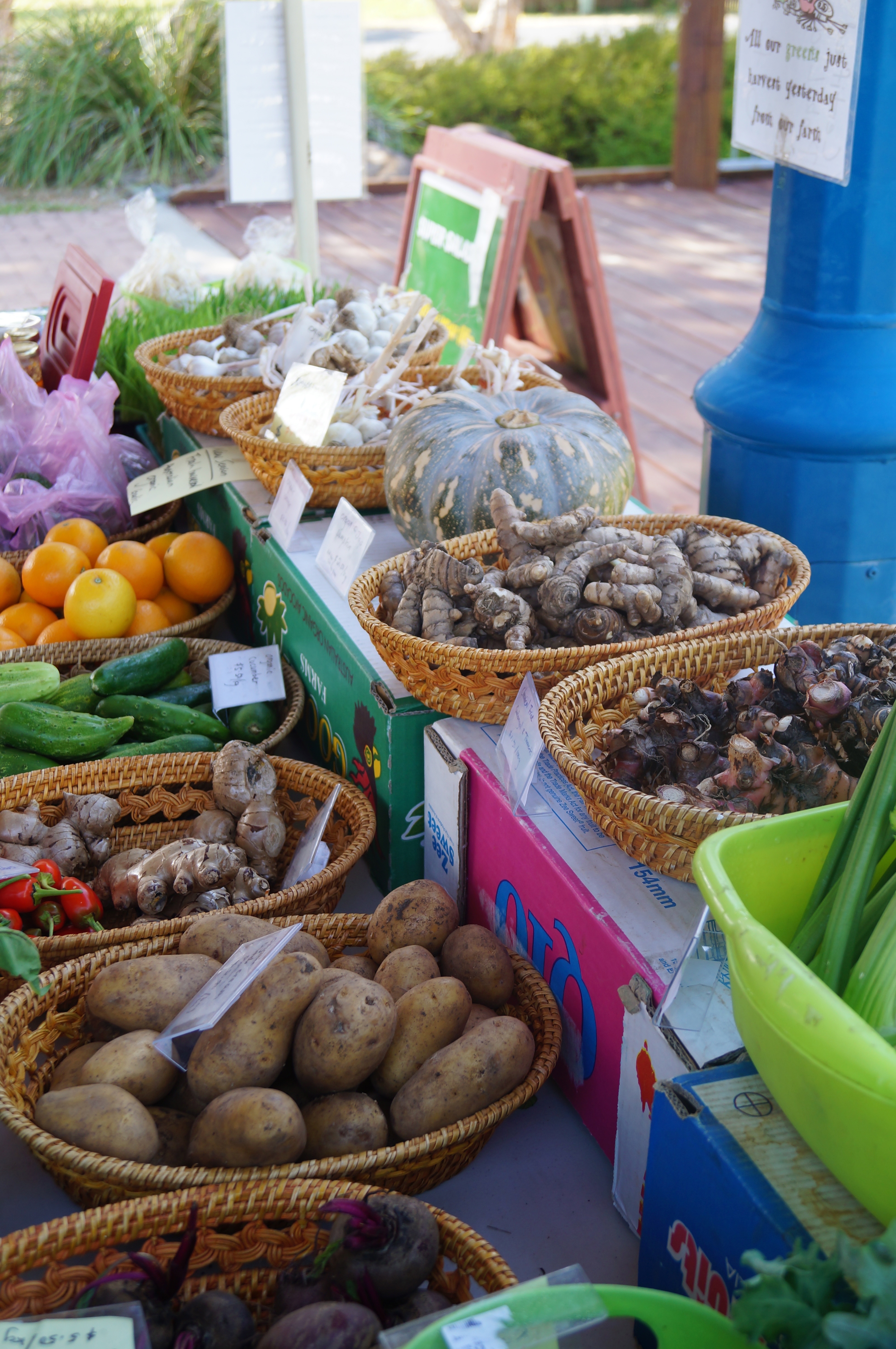
When it comes to vegetables there is more than enough to fill a whole salad bowl quite happily with artichokes, asparagus, bean sprouts, beetroot, broccoli, cabbage, rhubarb, spinach, mushrooms and silverbeet just to name a few coming into season, especially in spring.

Nutritionist, food designer and author Honor Tremain said it was important to eat a wide variety of fresh fruits and vegies that contain different colours.

“The main reason for this is because the particular colours of each hold particular health benefits,” she said.

“For instance, anthocyanin is responsible for the purple colour in carrots, plums and other purple foods.

“But anthocyanin is also the antioxidant which has been discovered to trigger weight loss and boost heart and liver health.

“Lycopene is responsible for red shades of colour and is found in tomatoes.

“Lycopene is connected to lowering the risk of certain cancers such as skin, pancreatic and prostate.

“Varying textures are also of great value to your health as it encourages you to try different foods, but more importantly it can expose you to high-fibre foods, which are hugely important to feeding your good gut bacteria, and affect your entire health positively.”

As featured in “Living in Style for Bunderberg”

Why We Want Burgers after Alcohol


 Have you ever woken up after a night of drinking a few glasses of wine or beer, and felt like you just need a burger?

Well, you’re not alone: David Levitsky, Professor of Human Ecology and Nutritional Sciences at Cornell University, explains his theory: that fat is one of the most energy-dense foods around, and put simply: sober, you won’t usually give in to that craving, but after a big night of boozy indulgence, your normal will power may become unstuck, and you give in to temptation, Levitsky says.

But another explanation is routed in our brain chemistry, where William Gruchow, Professor at the University of North Carolina at Greensboro, explains that alcohol intake increases the release of a potent neurotransmitter, called Galanin. “Galanin increases appetite for fats, and consumption of fat causes more galanin to be produced” Professor Gruchow states.

Really? Why does our body have to be so cruel? For, not only are we getting all those ‘empty calories’ from enjoying a few glasses of wine with our friends or work mates, on top of that, it’s biochemically triggering us to want to go binge eat another high calorie food the following day: fats!

“The bottom line here is that alcohol intake increases one’s appetite for fat, and fat intake does the same. This is a double whammy for drinkers who eat fatty foods while drinking,” Gruchow finishes by saying. If you do enjoy a glass, try a glass of red wine aged in French oak, scientifically proven to be the best alcohol available to trigger weight loss, lessen disease and slow ageing.


Find Honor on Facebook, Instagram and her website www.honortremain.com.au

Could cavities cause obesity?


The impact dental disease has on the entire body is just starting to be uncovered, and it could be colossal!


“It’s an area that’s widely misunderstood,” says Sydney based Dentist and Co founder of DentalHub Dr. Steven Lin, who goes on to say that: “the dental community has long recognized periodontal disease (gum disease) as an underlying factor for heart disease, but now we are starting to realize that dental issues could be triggering a multitude of other chronic health disorders too.”


The evidence to support the case is growing with numerous medical journals now publishing studies on the links, such as in: research published from Yale University, in the Journal of The American Society of Microbiology and publications in The American Academy of Periodontology.


Gum disease is known to be inflammation of the oral tissues caused by the presence of bacteria. Whilst we don’t completely understand how, it’s thought that Inflammatory molecules which are released and can circulate throughout the body, potentially switching on a cascade of other chronic inflammatory states such as: obesity, diabetes, pre-term pregnancy, autoimmune disorders, arthritis and more.


“And it very possibly all comes down to nutritional issues”, says Dr. Lin.


In the case of tooth decay the presence of sugar and high carbohydrate foods, such as: soft drinks, junk foods, lollies, excess fruit and juice consumption and even formula feeding; ‘bad bacteria’ in the mouth thrive, as they feed off all the sugar. The bacteria strip off our enamel, burrow in, and basically try and use our teeth as their new home.


Before high sugar and carbohydrate diets, our teeth, jaw and facial growth were nothing like they are today, and it may all be linked to what we are eating, and which nutrients we are supplying to our growing bodies.


Next week I will continue with Part 2 of my interview with Dr. Lin who talks about how our diet is also connected to the high incidence of crooked teeth, impacted wisdom teeth, jaw malformations, sleep apnea, facial growth and more.


Find Dr. Steven Lin and Honor on Facebook and Twitter.


Antidepressant use in pregnancy may lead to childhood obesity and Diabetes

Recent scientific research from McMaster’s University in Canada was released who found that mothers taking anti-depressant drugs during pregnancy, were potentially predisposing their child to a life of obesity and diabetes.


The specific type of anti-depressants in question here are the selective serotonin reuptake inhibitors, or SSRIs.


The use of these antidepressants have raised concerns before in cases where they were obviously causing weight gain in the user, but this is the first time evidence has been seen of damage caused in the offspring as well.


“Obesity and Type 2 diabetes in children is on the rise and there is the argument that it is related to lifestyle and availability of high calorie foods and reduced physical activity, but our study has found that maternal antidepressant use may also be a contributing factor to the obesity and diabetes epidemic,” says the study’s senior investigator Alison Holloway, associate professor of obstetrics and gynecology at McMaster University.


The offspring of the mothers using these antidepressants had increased fat accumulation and inflammation of the liver as adults, which raises new concerns about the long-term metabolic impact this is having on future generations to come.


Some other more natural alternatives to treating depression whilst pregnant are: High dose fish oils can help, a multi strain probiotic can improved emotions, mood and thought significantly- with the presence of our second brain present in our gut. Some studies suggest that simply smiling and pretend laughing, even if you’re not happy, can boost your real happy hormones, whilst foods, which can boost your happy hormones are: bananas, brown rice and cottage cheese.


It is also good to talk to a health care practitioner, psychologist, counselor or your GP about any feelings of negativity you may be experiencing.


For more information visit Honor on Twitter, Facebook or at http://www.honortremain.com.au


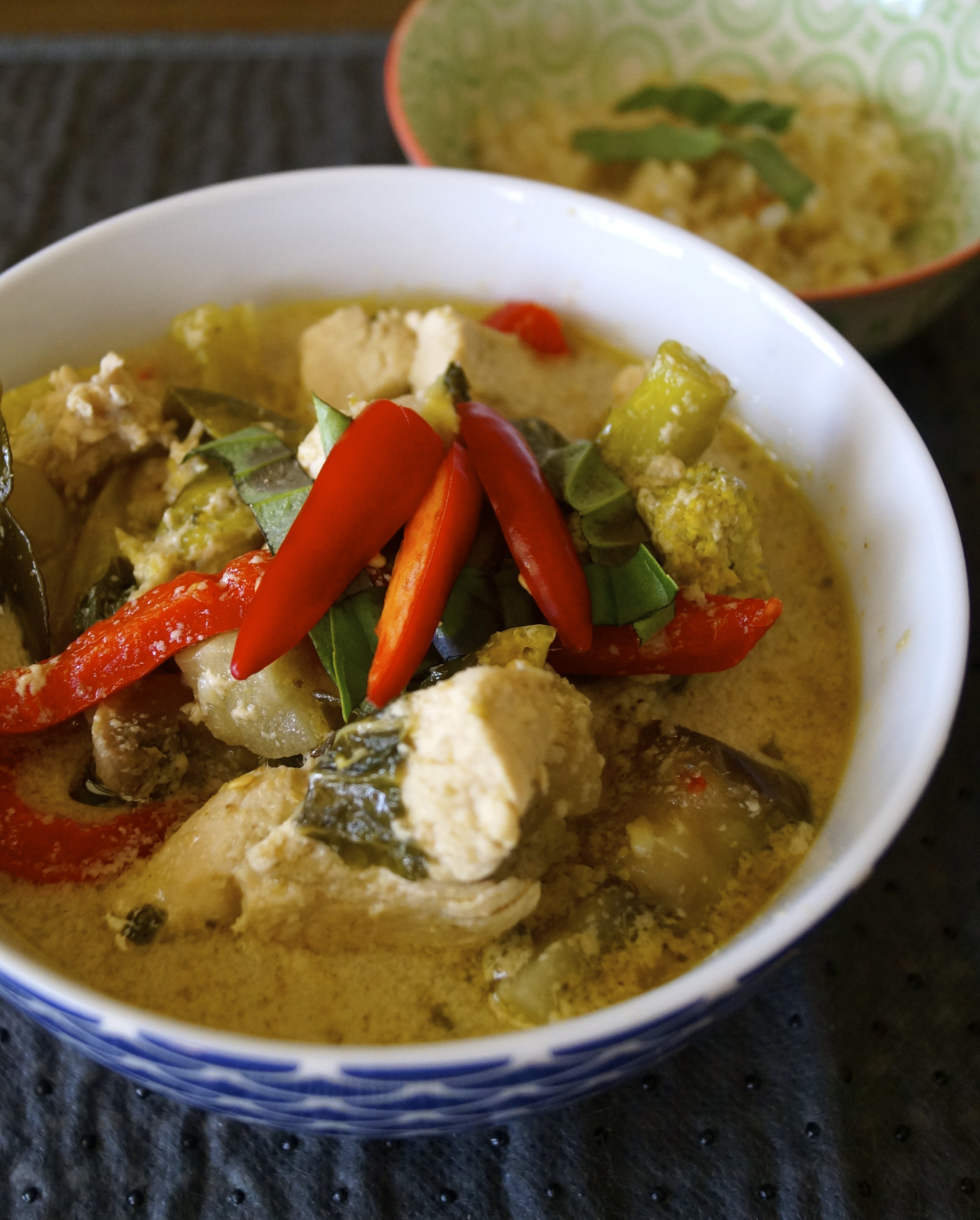
Chicken Green Curry

DSC06891

  • 2 tbsp. coconut oil
  • 
2-3 tbsp. natural green curry paste (AYAM or see related recipe if want to make your own),
  • 
500g chicken thigh pieces, sliced
  • 
2 cups (500ml) coconut milk
  • 
2 cups (500ml) chicken stock
  • 
4 kaffir lime leaves, roughly torn, plus
  • 
2 finely shredded leaves to garnish
  • 1 red onion, sliced
  • 1 cup broccoli, chopped
  • ½ cup Brussels sprouts, quartered
  • 
125g red capsicum sliced length ways
  •        100g Swiss mushrooms sliced
  • 1 finely sliced purple carrot
  • 1 bok choy sliced
  • 
2 tbsp. fish sauce
  • 
1 tbsp. lime juice
  • 
2 tsp. coconut sugar
  • 
Sliced red chili & Thai basil, to garnish


Curry Paste-

120g fresh galangal, peeled, very finely chopped

200g long green chilies, seeds removed, finely chopped

250g red onion, finely chopped

100g lemongrass, tough outer removed, very finely chopped

300g garlic, finely chopped

20g coriander root, washed, finely chopped

4 kaffir lime skins, finely zested (ensure no pith remains)

10g wild green chilies

120g shrimp paste, roasted in foil until fragrant and dry

10g white peppercorns, roasted, ground

10g cumin seeds, roasted, ground

10g coriander seeds, roasted, ground

All either blended or chopped very finely.


  • Instructions:
  • Heat oil in a wok or deep fry pan over high heat.
  • 
Add paste to wok and stir briefly. Add onion and chicken and stir-fry, tossing to ensure paste doesn’t burn, for 2-3 minutes until seared, and then remove from heat, into a bowl. Add coconut milk to wok, vegetables, stock, lime leaves and bring to the boil. Simmer on low for 20 minutes. Return chicken to the pan, and simmer for a further 5 minutes until it’s cooked and tender.
  • Stir in fish sauce, limejuice and sugar and heat through for a further minute.

Garnish with red chili, extra lime leaves and Thai basil. Serve with a small amount of cooked brown rice or quinoa if lunch, and without if this is dinner.


Serves 4-6


© Copyright by Honor Tremain


The Ultimate Sinful Foods: Chocolate, Coffee & Wine; are they really that bad?

IMG_8055 As a nutritionist I’m a big fan of avoiding calorie and fat counting and instead using your food as medicine. Science is realizing food is so much more complex than the obvious sum of their parts: fats, carbs, proteins and calories. There are other properties present, that are far more influential on health, so let’s have a look at some.   Chocolate:   Dark Chocolate in particular, coffers many health benefits, due largely to its antioxidant behavior. It can lower blood pressure, boost the immune system, protect from infection, lesson heart attacks, and may even prevent Alzheimer’s by preventing amyloid plaque build up in the brain.   Dark Roasted Good Quality Coffee:   Coffee is one of the most complex foodstuffs we regularly ingest; with over 7000 different chemical molecules; with most foods only contain 2000. It is high in a powerful antioxidant, chloregenic acid, which can switch off inflammation, and it’s also high in another antioxidant: melanoidin, which can fight ageing, inflammation, lower blood pressure, prevent dental cavities and even traps heavy metals!   Red Wine:   Wines can be delicious, but can we use any of them as a medicine, and gain health benefits from them? Yes, we can, particularly the red variety, and those that have been stored in French Oak! Red wine has a large amount of polyphenol type antioxidants present, which can help in the fields of heart disease, metabolic syndrome, diabetes and even some cancers. But new research has found, that when the wine is aged in French Oak barrels, the oak itself releases another antioxidant which combines with the wine and is 700 times more potent than pomegranate antioxidants, comparable to some pharmaceutical anti-inflammatory drugs.   For more on using your foods as medicine, purchase a copy of Honor’s new book: “A Diet in Paradise” online at www.honortremain.com.au or from selected stockists.

The Science Behind The Paleo Diet:

DSC05694

‘Why are we meant to eat like caveman when we are not currently cave men, and is this ken doll an unfortunate victim of mummy’s creative vision?’ These are probably the first two questions to leap out at most intelligent people reading this article. And yes, on the ken doll.
Last week we over-veiwed the basic Paleo diet and what it is, but let’s look at some top scientific pointers as to why it may not be the best longterm solution to health:
1) Much of the research on primitive man is inconclusive on what exactly he ate; most studies suggest he was in actual fact, more a vegetarian than an avid meat eater!
2) There is ever-emerging evidence of the correlation between high meat and animal protein intake and accelerated ageing and cancer risk through mTOR activation (see my book, “A Diet in Paradise” for the full explanation).
While respected medical journal after journal are full of research papers finding not just mTOR issues, but that meat is additionally full of free radicals and bad fats which age us faster too.
3) Our body has been designed mechanically to require higher protein in our infancy and youth, and less after adolescence. It’s functionality changes and too much protein, as an adult is not processed adequately and poses as a toxin.
4) The type of meat we eat now is completely different to that of cave men times. Our meat is pumped full of hormones, antibiotics, and a multitude of chemicals. Our organic meat is grain fed, not grass fed, meaning more inflammatory molecules- again linked to ageing and cancer. While ‘grass fed’ is truly difficult to regulate organically, if not, impossible.
5) If we look at the environmental impact for a sec: in a twist, free roaming cattle, including organic beef farms have a bigger impact on the environment, more so than feedlot beef! While eating less meat and more legumes is extremely sustainable for the planet.
6) Grains and legumes were banned from the original Paleo diet because it is said they contain “anti-nutrient” blocking chemicals that stop absorption of vitamins and minerals.
This is true… to a point. Simply soaking grains or legumes overnight releases the phytates and chemicals that block nutrient absorption.
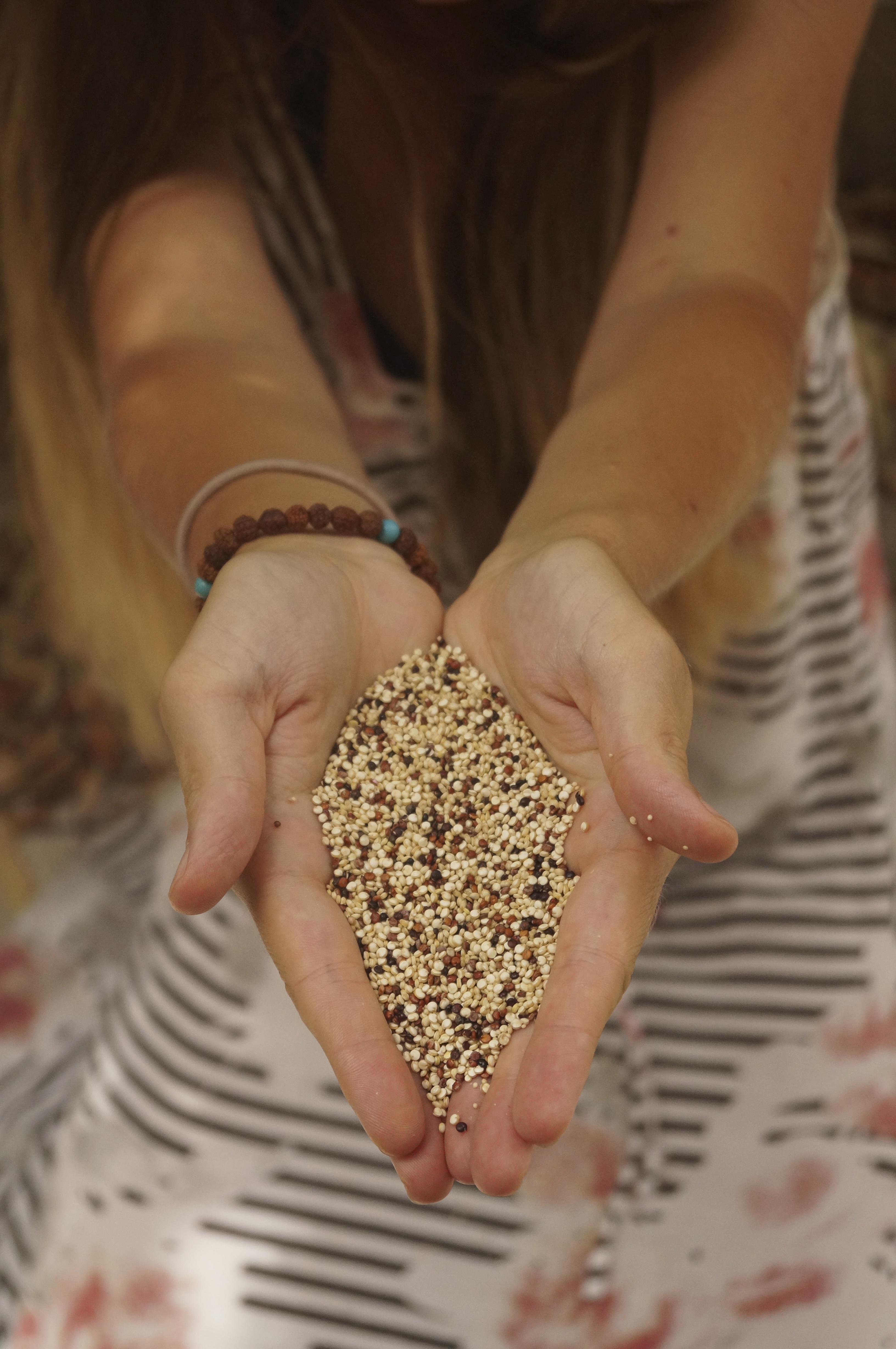
Grains and legumes such as brown rice, millet, quinoa, amaranth, mung beans, and lentils have incredible health giving properties and have been eaten by ancient man for centuries- such as the Aztec and Mayan, who outlived Paleolithic man when comparing individual lifespans.
7) Let’s take a look at evolution for a minute now, apart from the fact that our body and every cell within it, including our brains, has been designed to use carbs as its main energy source, not protein, there is also a school of thought that restricting carbohydrate foods, such as those found in grains, this excessively, can in fact make the body more sensitized to carbs, as the body thinks we are starving and in famine. So when the carbs are re-introduced, they are stored as fat straight away, as the body is designed to protect us from dying and it thinks it’s doing this by storing reserves for the potential next famine.
So what do we do? It’s so unfair really because high protein, low carb diets like this can work for weight loss, but what is it doing to us and our planet in the long term?
In this modern day world, science is saying that eating high protein low carb everything means we may be skinnier but we’ll look and be biochemically older, die younger whilst screwing up the earth- super!
Perhaps this paleo, high protein faze could be used as a stepping stone to somewhere more real, where we don’t just try to take one small piece out of a larger working puzzle and think that that’s the part that is the solution, rather than see it was a whole organism at work.
We are in need of a new system; I wonder what the next one will be?
Buy a copy of A Diet in Paradise to find out!
http://www.honortremain.com.au

Good Food Month!!!!


GoodFoodMonthPopUPPierParty1

We are in the midst of Queensland’s Good Food Month, part of the largest food Festival held in Australia!


This month-long gastro-delighting jubilee is a statewide celebration of the best of the best in dining, as rated by the Good Food Guide. This guide is basically considered any ‘foodies bible’ and rates restaurants and bars using a hat system from 1-3, with only ‘hatted’ business invited to attend the festival.


All over Queensland, Good Food Month is being broken down into a variety of functions such as: Let’s do lunch, Hat’s off dinners, Bar Hops and Pop-Up Parties.

The Night Noodle Markets are being held at Southbank, Breakfast Clubs and “Let’s Do Lunch’ are breaking out all over Brisbane and Queensland, while ‘hat’ awarded COAST Restaurant and Bar is doing the “Sunset Pop up Party” this Saturday the 25th of July, at the Scarness Pier, Hervey Bay from 2pm.


They will be showcasing chef Nick Street-Brown’s simple yet creative cuisine. Owner, Julia Paussa says of the event: “There will food stations serving great local produce all afternoon, roaming canapés, classic dishes coupled with exciting new ones, a cocktail bar, delicious wines, beers and bubbles and much more! It’s one of the best food events of the year for Queensland, an event not to be missed, so come along and be a part of it!


Tickets are limited so check out details at: www.brisbane.goodfoodmonth.com

Find COAST on Facebook or call Ph: 07 4125 5454

Photo’s: by Glen Wilson


Understanding The Paleo Diet


In a world obsessed with diets and weight loss, and in a modern society slowly declining into a multitude of health disasters, we need something to rescue us. We keep hoping for a magical pill to fix the obesity epidemic overnight, but it turns out losing weight takes work and effort of a consistent kind. And if we were to be completely honest with ourselves, weight gain came under almost the same pretense, albeit it was probably more ‘over-work’ and stress, combined with consistent unhealthy diet and lifestyle choices, but the similarity is there.


Could anything save us? Possibly the Paleo Diet.

According to the founder of the Paleo Diet: Dr. Loren Cordain, the fundamental changes to the human diet and way of living that occurred after the Neolithic and Industrial revolution was simply not enough time for us to genetically adapt to these vast alterations; and this is his theory to explain the occurrence of most diseases of the modern civilization.

Primitive times were hard and challenging, yet our bodies apparently thrived. We were according to some studies, stronger, fitter, leaner, our muscles bigger, bones denser, with less diseases and illnesses. Bring it back to this modern day, and if we look at our indoor, sedentary, overfed existence, we are obese, unwell, and unmotivated.


So this brought about the concept of recreating a primitive, Paleolithic diet for ourselves, of when we were perhaps our healthiest- and we’ll call it the “Paleo Diet.”

The Paleo diet started in amongst the ‘high protein, low carb’ revolution. You are allowed to eat grass fed meats, fish and seafood, non-starchy vegetables and fruit, eggs, nuts and seeds and healthy oils like olive, walnut, flaxseed. You avoid: All grains, potatoes, dairy and processed foods.

The Paleo diet has changed significantly over the years, making some question it’s authenticity, but we’ll discuss this next week.DSC07691


Next week we’ll look at what science has to say about eating a Paleo diet.


Find Honor on Facebook, Intagram, Twitter and on www.honortremain.com.au